CATEGORIES

RCBOs – Combined Circuit Protection

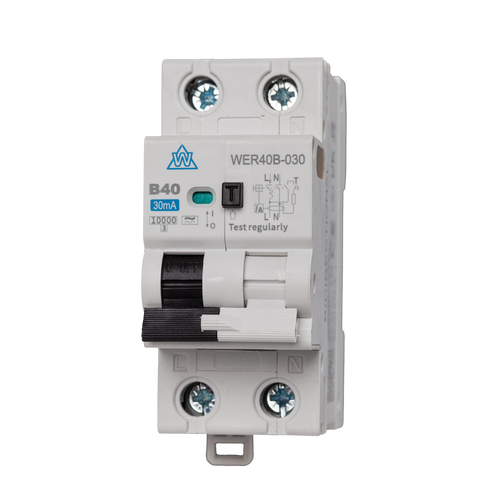
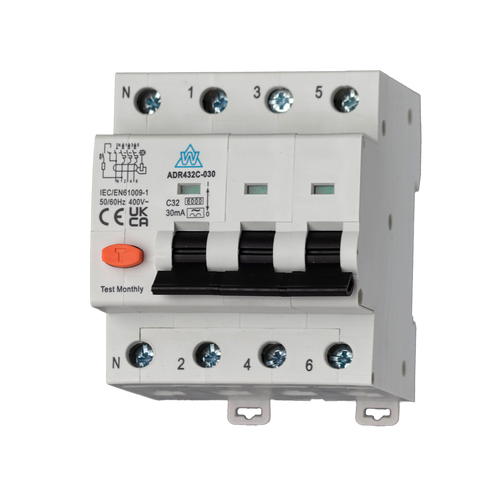
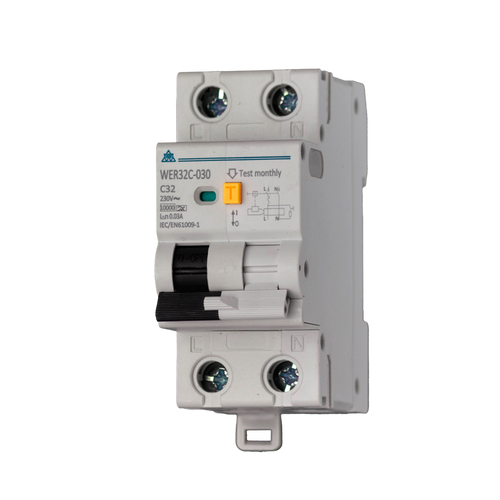
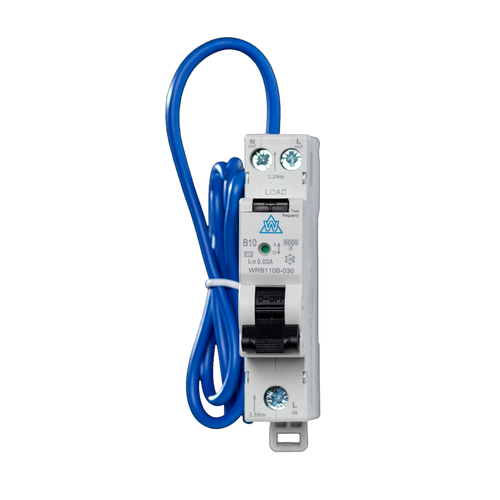
Shop RCBOs for domestic and commercial boards, including Type A, mini, high-immunity, 10kA, EV and multi-pole options.

An RCBO combines overcurrent and residual-current protection for an individual circuit. Select the current rating, trip curve, breaking capacity and residual-current type from the installation design and connected equipment.

Quick guide: RCBOs can limit the disruption caused by a circuit fault because each outgoing circuit has its own residual-current and overcurrent protection. Correct device and consumer-unit compatibility remain essential.

  • Type A RCBOs: common options for modern electronic loads
  • Mini RCBOs: compact single-module formats for compatible boards
  • High-immunity RCBOs: designed to reduce unwanted tripping in suitable applications
  • 10kA and multi-pole RCBOs: specialist breaking-capacity and conductor configurations

Showing 1 to 12 of 72 items

Selecting an RCBO for the Circuit

An amp rating alone is not enough. Coordinate the RCBO with design current, conductor capacity, fault current, load inrush, residual-current waveform and the consumer-unit assembly. Follow the equipment and board manufacturer’s instructions.

Type A & Mini RCBOs

Type A devices respond to AC and pulsating DC residual current. Mini formats save module space, but must still be approved for the selected assembly.

Shop Type A RCBOs →

High-Immunity RCBOs

Designed for improved resistance to certain transient or electrically noisy conditions. They can help reduce unwanted operation where correctly specified.

Shop high-immunity RCBOs →

10kA, EV & Multi-Pole

Higher breaking capacity, EV-labelled and multi-pole products address distinct design requirements. Confirm the actual fault level and equipment requirements rather than selecting by label alone.

Shop 10kA RCBOs →

Specification Checklist

  • Rated current: coordinate with design current and conductor capacity.
  • Trip curve: select around inrush and fault-disconnection requirements.
  • Breaking capacity: verify against prospective fault current.
  • Residual-current type: match the connected equipment and expected waveform.
  • Assembly compatibility: confirm manufacturer approval, terminals, busbar and module width.

Supporting Guides

Related Categories

Type A RCBOsMini RCBOsHigh Immunity RCBOs32A RCBOsEV RCBOs

Product checks: use each listing’s datasheet and compatibility information to confirm rating, curve, residual-current type, poles and breaking capacity before ordering.